
Shield Max vs Shield Prime
Shield Max and Shield Prime share the secure Strong Hold sensor and a compact wearable format, but their alert systems and priorities are different. We compare detection, waking performance, comfort, setup, cleaning, features and value to show which one is the better fit.
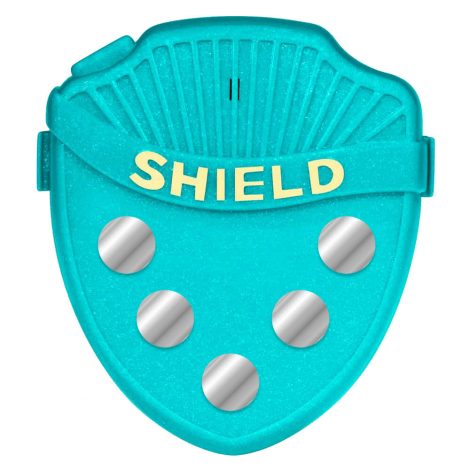
Best alert versatility
Shield Max
- Eight changing alert tones
- Strong vibration and bright light
- Strong Hold washable sensor
- Excellent choice for deeper sleepers
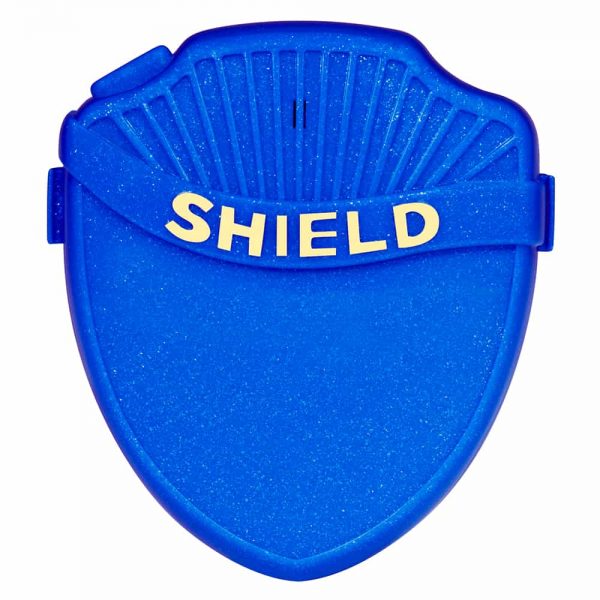
Best for simplicity
Shield Prime
- Loud tone, vibration and light
- Three straightforward alert modes
- Strong Hold washable sensor
- Moon-and-star reward tracker
Quick comparison
Shield Max and Shield Prime at a glance
These alarms have more in common than their names suggest. Both use the Strong Hold first-drop sensor, both are worn on sleepwear, both use two AAA batteries, and both combine more than one type of waking cue. Max earns its advantage through changing tones and greater alert variety. Prime focuses on simple mode selection, strong value and positive progress tracking.
| Comparison area | Shield Max | Shield Prime | Winner |
|---|---|---|---|
| Editorial score | 9.1/10 | 8.9/10 | Shield Max |
| Moisture sensor | Strong Hold broad-area sensor | Strong Hold first-drop sensor | Close result |
| Sound | Eight changing tones | One primary loud tone | Shield Max |
| Other alerts | Strong vibration and bright light | Strong vibration and bright light | Comparable |
| Mode simplicity | More alert variety to manage | Sound + vibration, sound only, or vibration only | Shield Prime |
| Progress feature | Focuses on alert performance | Moon-and-star reward system | Shield Prime |
| Deep-sleeper suitability | Changing multisensory cues | Strong multisensory cues | Shield Max |
| Value | More features | Value-focused design | Shield Prime |
| Power | Two AAA batteries | Two AAA batteries | Tie |
Our scores evaluate the complete user experience rather than counting features alone. Correct sensor placement, caregiver support and consistent nightly use remain essential with either alarm.
Category winners
Where each Shield alarm performs best
Wake-up performance
Max uses eight changing tones instead of relying on one repeated sound. Strong vibration and a bright visual alert add tactile and visual cues. This range gives families more ways to test what produces the most consistent response.
Alert variety
The changing-tone sequence is Max’s defining advantage. A varied sound pattern may reduce familiarity over time, although it does not guarantee that a deep sleeper will wake independently during early training.
Ease of use
Prime offers three clearly understood modes: sound with vibration, sound only, or vibration only. Families can select an approach without navigating a wider alert library, making it especially approachable for first-time users.
Motivation
The moon-and-star reward system makes progress visible. Used positively, the tracker can recognize correct responses and consistent participation—not merely dry nights—without adding technical complexity.
Moisture detection
Both use a Strong Hold sensor designed to provide a broad sensing area and remain attached through normal movement. Proper placement where the first moisture is likely matters more than a minor difference in description.
Comfort and cleaning
Both are compact wearable systems with a sensor and cable attached to sleepwear. Both also require the reusable sensor to be cleaned and dried correctly after an activation.
Decision guide
Which model should you choose?
Choose Shield Max if…
- The sleeper is difficult to wake.
- You want eight changing tones.
- Alert variation is more important than simple controls.
- You want our higher-rated Shield alarm.
- You are comfortable testing different waking cues.
Bottom line: Max is our default recommendation when the difference in cost is less important than getting the broadest alert system.
Choose Shield Prime if…
- You want a value-focused wearable alarm.
- A single loud tone plus vibration and light is sufficient.
- You prefer three simple alert modes.
- A reward chart could motivate the user.
- You want fewer choices during setup.
Bottom line: Prime is the smarter choice when simplicity and value matter more than changing alert tones.
Real-world use
Important differences beyond the feature list
Changing tones help address familiarity
A user may become accustomed to a repeated sound, particularly when the alarm is used over many nights. Shield Max attempts to reduce this problem with an eight-tone sequence. That is a meaningful advantage, but it must be paired with a clear response routine. If the child does not wake, a caregiver should wake them fully, guide them to the bathroom and reset the system rather than silencing it while they remain asleep.
Prime’s simple modes can improve consistency
More features are useful only when families understand and use them correctly. Prime’s three-mode setup makes the choice straightforward. Sound plus vibration offers a combined cue, sound only may suit users who dislike tactile alerts, and vibration only may be considered where sound would disturb another person. Families should use the mode that supports a reliable full waking response.
Sensor performance relies on placement
The Strong Hold sensor is a major strength shared by both alarms. Its larger sensing area and secure attachment are designed to support fast detection during movement. Even so, the sensor should be positioned according to the current instructions, tested before bed and attached without cable tension. A sensor that shifts away from likely first moisture can delay activation on any wearable alarm.
Reward tracking should never become pressure
Shield Prime’s moon-and-star system is its most distinctive non-alarm feature. A useful reward routine recognizes behaviors the child can control: attaching the alarm, responding properly, using the bathroom and helping record progress. Bedwetting itself is involuntary, so a chart should encourage participation rather than create blame when a wet night occurs.
Both require wearable-alarm maintenance
After an activation, the sensor should be cleaned as directed and allowed to dry fully before it is reset. The cable should be checked for twists, and the unit should be tested before the next sleep period. Families who strongly dislike clips, cables or reusable-sensor cleaning may want to compare a bedside format instead.
Explore our best wearable bedwetting alarms guide or compare every approved model in the bedwetting alarm comparison chart.
Weighted evaluation
How we scored Max and Prime
Every approved alarm is evaluated under the same eight-part framework. Moisture detection and wake-up performance receive the greatest weight because an alarm must detect promptly and support an effective waking response. Comfort, ease of use, reliability and hygiene determine whether the system is practical enough for consistent use.
Shield Max’s broader alert system lifts its wake-up and features scores. Shield Prime’s simple controls and value-focused design strengthen its ease-of-use and value results. Review our full testing process and rating methodology.
Common questions
Shield Max vs Shield Prime FAQs
Is Shield Max better than Shield Prime?
Shield Max is better overall in our evaluation, scoring 9.1 compared with Prime’s 8.9. Its main advantage is an eight-tone sequence that adds more wake-up variety. Prime remains the better value and simplicity choice.
What is the biggest difference between Max and Prime?
Max provides eight changing tones, while Prime uses one main loud tone with three alert-mode choices. Prime also includes a moon-and-star progress reward system.
Do both alarms use the Strong Hold sensor?
Yes. Both use a reusable Strong Hold moisture sensor designed with a broad detection area and secure attachment. Correct placement and cleaning remain necessary with either model.
Which Shield alarm is better for deep sleepers?
We favor Shield Max for a deep sleeper because changing tones, strong vibration and bright light create a more varied multisensory alert. A caregiver may still need to help during the first stage of training.
Is Shield Prime easier to use?
Prime can be easier for first-time users because its three modes are straightforward. Families choose sound with vibration, sound only, or vibration only without managing an eight-tone sequence.
Do Shield Max and Prime require sensor refills?
No routine disposable sensor refill is required because the Strong Hold sensor is washable and reusable. It must be cleaned and dried according to the supplied instructions after activation.
Can the reward stickers guarantee better results?
No. The stickers are a motivational tool, not a guarantee. They work best when they reward participation and correct response rather than putting pressure on a child to produce a dry night.
Where can I compare these alarms with other models?
Use our bedwetting alarm comparisons hub, open the main comparison chart, or read how to use a bedwetting alarm before beginning.
Final verdict: Shield Max wins overall
Choose Shield Max for eight changing tones and the strongest alert versatility. Choose Shield Prime for simple modes, excellent value and a positive reward-tracking routine.