
Best Bedwetting Alarms for Children in 2026
Chummie Premium is our best overall bedwetting alarm for children. Guardian Bedside ranks #2 for children who resist clips or body-worn sensors, while Shield Max ranks #3 for deep sleepers who benefit from varied multi-sensory alerts.
Category position considers a child’s comfort, sleep depth, ability to participate in setup and likely caregiver involvement. That is why suitability order can differ slightly from raw overall scores.
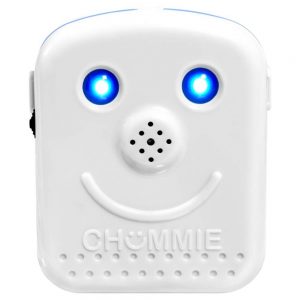 Best overall for children
Chummie Premium
Fast IntelliFlex moisture detection, multiple alerts and flexible sensor attachment create the strongest overall child-focused package.
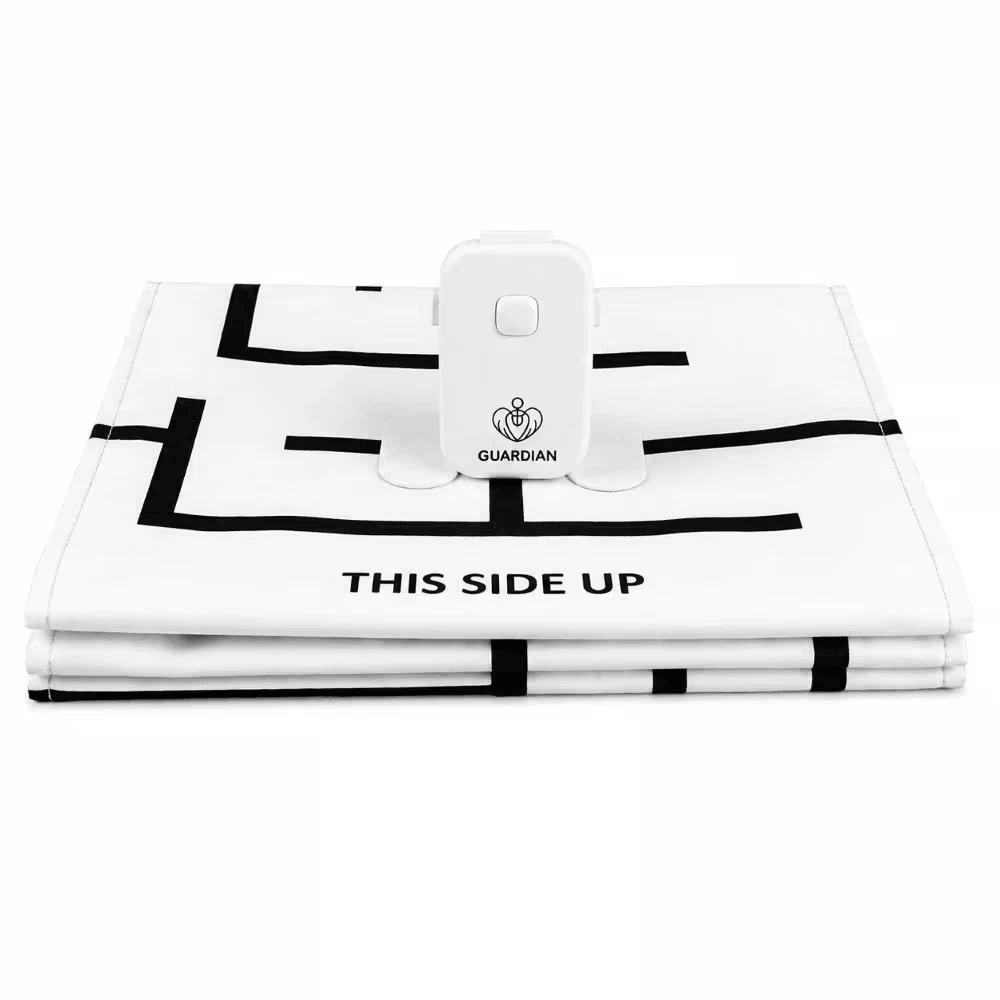 Best no-wear option
Guardian Bedside
Nothing clips to the body. Disposable sensing mats maximize comfort and make cleanup fast for sensory-sensitive children.
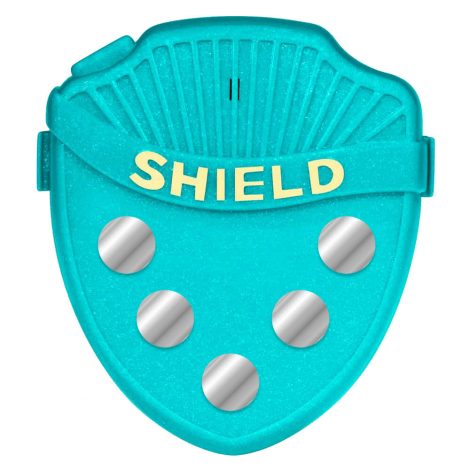 Best for deep sleepers
Shield Max
Eight tones, strong vibration, bright light and a secure Strong Hold sensor provide varied waking cues.
Which alarms best match different children?
The overall score measures the complete product. The child-focused rank also considers sensory tolerance, routine simplicity and whether a caregiver can help a deep sleeper.
| Rank | Alarm | Score | Best for | Main consideration |
|---|---|---|---|---|
| 1 | Chummie Premium | 9.3 | Best all-around wearable choice | Sensor and cable are worn |
| 2 | Guardian Bedside | 9.0 | Children rejecting body-worn equipment | Disposable mat refill cost |
| 3 | Shield Max | 9.1 | Deep sleepers needing varied cues | Clip-and-cable format |
| 4 | Chummie Elite | 9.0 | Streamlined Chummie setup | Five tones rather than broader Premium set |
| 5 | Smart Alarm | 8.7 | First-time users wanting simplicity | Fewer advanced alert options |
| 6 | Shield Prime | 8.9 | Value and reward tracking | Single main tone |
| 7 | NewU | 8.8 | Affordable eight-tone system | Conventional clip comfort |
| 8 | Zest | 8.7 | Budget multi-sensory choice | Less differentiated build |
| 9 | Bloom | 8.5 | Straightforward basic routine | Narrower verified feature set |
Why these five alarms stand out for children
Chummie Premium
The soft silicone IntelliFlex sensor is designed for broad first-drop detection and can be attached using a clip or tape-based method. Multiple tones, vibration and lights give families several ways to support waking.
It is the best fit when a child accepts wearable equipment and the family wants the strongest overall balance of detection, alerts and comfort.
Read the complete Chummie Premium review →Guardian Bedside
A disposable sensing mat lies in the sleeping area, so no alarm, sensor or cable is attached to the child. This can transform adherence for children who repeatedly remove or refuse wearable devices.
Cleanup is also unusually simple: discard the used mat and install a fresh one. The ongoing mat expense is the main tradeoff.
Read the complete Guardian review →Shield Max
Eight changing tones, strong vibration and a bright light create several simultaneous wake-up cues. The Strong Hold sensor is designed for broad moisture detection and secure attachment during movement.
A deep sleeper may still need a parent to wake them fully during the first part of training. Technology supports that routine but does not replace it.
Read the complete Shield Max review →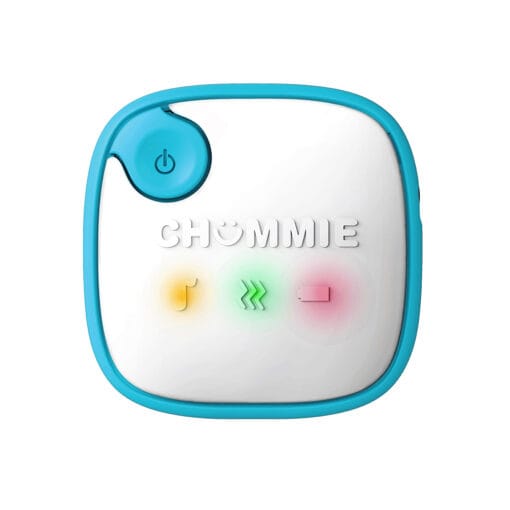
Chummie Elite
Elite retains the IntelliFlex one-drop sensor, vibration, lights and three operating settings while using five tones and a simpler feature profile. Its alarm body weighs approximately one ounce.
Choose it when Chummie sensor comfort matters but the broader Premium alert selection is unnecessary.
Read the complete Chummie Elite review →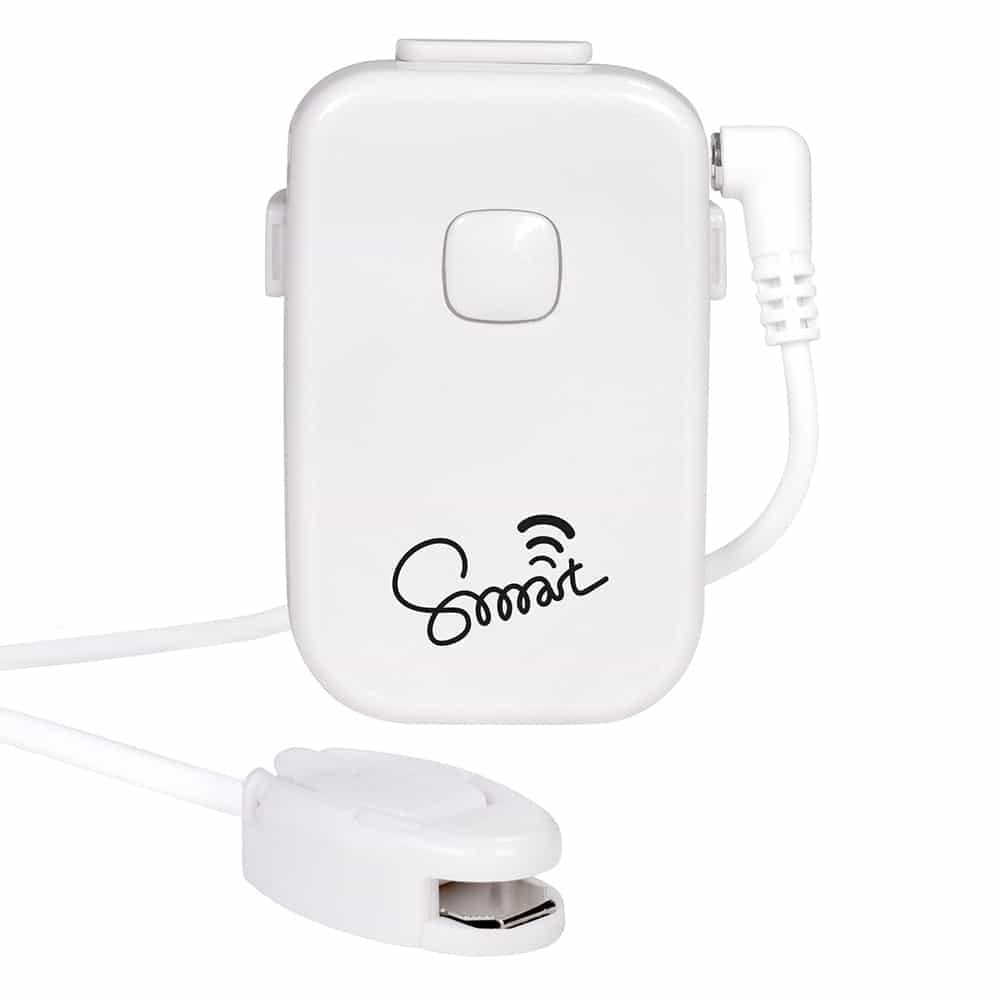
Smart Alarm
Smart Alarm focuses on the core moisture-detection and sound-and-vibration sequence. Fewer settings can make the nightly routine easier to explain to a younger child who is learning to attach, test and reset the system.
Choose it when simplicity is more valuable than broad tone selection or extra alert controls.
Read the complete Smart Alarm review →What matters more than the child’s exact age
Many families begin considering alarm training around age five or later, but readiness varies. A child should understand the purpose, participate without shame and have enough family support to repeat the routine consistently.
Willingness to participate
The child should help choose the format, test the alarm while awake and understand that bedwetting is not a punishment or failure.
Sensory tolerance
Some children accept a small clip and sensor. Others cannot sleep comfortably with anything attached to clothing. Guardian is #2 because no-wear comfort can be decisive.
Depth of sleep
For a deep sleeper, prioritize strong vibration and changing tones—but plan for a caregiver to wake the child fully until independent responding develops.
Ability to reset
The child does not need to manage every step alone, but learning to stop the alarm, use the bathroom and help reset reinforces the conditioning process.
Positive motivation
Reward correct participation and effort, not just perfectly dry nights. Never punish an accident or treat it as intentional behavior.
Health context
Seek professional guidance when bedwetting begins suddenly, includes pain or daytime symptoms, or occurs alongside constipation, excessive thirst, snoring or other concerns.
Introduce the alarm without creating fear
Explain
Describe the alarm as a learning tool that helps the brain notice bladder signals—not as a consequence for wetting.
Practice
Activate the alarm while the child is awake, rehearse turning it off correctly and walk through the bathroom routine.
Prepare
Keep clean pajamas, bedding, towels and sensor-cleaning supplies ready so the nighttime reset stays calm.
Support
If the child sleeps through the alert, wake them fully and guide the steps rather than completing everything while they remain asleep.
How we evaluate children’s alarms
The same eight weights apply to every product, but this page also interprets comfort, sensory tolerance and caregiver demands specifically for children.
Read how we test and the full rating methodology.
Moisture Detection
Wake-Up Performance
Comfort & Wearability
Ease of Use
Reliability & Quality
Cleaning & Hygiene
Features & Technology
Value
Bedwetting alarms for children FAQ
What is the best bedwetting alarm for a child?
Chummie Premium ranks #1 overall. Guardian Bedside is #2 for children who resist body-worn sensors, while Shield Max is #3 for deeper sleepers needing varied alerts.
What age should a child start using an alarm?
Readiness matters more than one exact age. Many families consider alarms around age five or later, when the child can understand the routine and participate willingly.
What if my child does not wake to the alarm?
A caregiver should wake the child fully, guide bathroom use and repeat the routine consistently. See our guide for a child not waking to a bedwetting alarm.
Should I choose wearable or bedside?
Choose wearable for close-position detection and portability. Choose bedside when clips, cables or sensors on clothing prevent comfortable and consistent use.
Should dry nights be rewarded?
Positive tracking can help, but reward participation and correct response as well as dryness. Never punish wet nights.
How long does alarm training take?
There is no fixed timeline. Consistency, sleep depth, caregiver support and the child’s individual pattern all affect progress.
When should we talk with a pediatrician?
Seek professional advice for sudden-onset bedwetting, pain, daytime wetting, constipation, excessive thirst, snoring or other health concerns.
Do these recommendations earn commissions?
No. BestBedwettingAlarm.com accepts no purchase commissions, manufacturer payments or paid ranking fees.
Match the alarm to the child—not only the score
Chummie Premium is the best overall choice for children, Guardian Bedside is the strongest no-wear alternative, and Shield Max is our deep-sleeper pick. Comfort and willingness to use the system every night matter more than buying the longest feature list.
Compare all alarmsLearn how to choose