
Best Bedwetting Alarm 2026
We compare leading wearable and bedside bedwetting alarms for moisture detection, wake-up performance, comfort, hygiene and everyday usability. Our rankings are independent, uncompensated and designed to help families choose with confidence.
Updated August 2026 · No commissions · No paid rankings
Advice you can trust
Start with these three alarms
These alarms represent three distinct approaches: a feature-rich wearable, a no-wear bedside system and a simpler wearable option.
Chummie Premium
Our strongest all-around wearable choice for families wanting multiple alert modes and a flexible moisture sensor.
Read our verdict ↓Guardian Bedside
A compelling no-wear option for families prioritizing comfort, simple cleanup and disposable sensing mats.
Read our verdict ↓Smart Alarm
A straightforward wearable design focused on the core functions families need without an elaborate setup.
Read our verdict ↓Our leading bedwetting alarms
A score alone is not enough. These summaries explain what stands out, what to consider and which sleeper each alarm is most likely to suit.
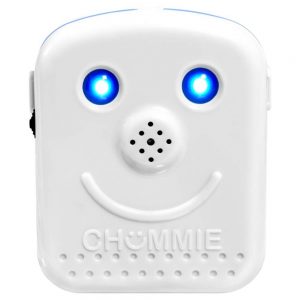
Chummie Premium
A polished multi-sensory wearable with a flexible sensor, varied alerts and a compact design. It offers the most complete combination of detection, wake-up support and day-to-day usability among our current leading choices.
Our verdict: Chummie Premium is the alarm we would compare first when a family wants a wearable system with more than a basic sound alert. Its sound, vibration and light combination gives caregivers several ways to support the waking process, while the compact alarm unit is designed to remain close to the sleeper.
The IntelliFlex-style sensor is intended to detect moisture quickly at the point where wetting begins. That positioning matters: an alarm can only begin its job after the sensor detects moisture. The flexible form is also easier to place than a bulky hard clip, although every wearable system still requires correct attachment and consistent nightly use.
- Sound, vibration and light alerts
- Multiple tones discourage habituation
- Flexible moisture sensor
- Compact wearable design
- Must be attached correctly each night
- A caregiver may initially need to help
- Wearable format will not suit everyone
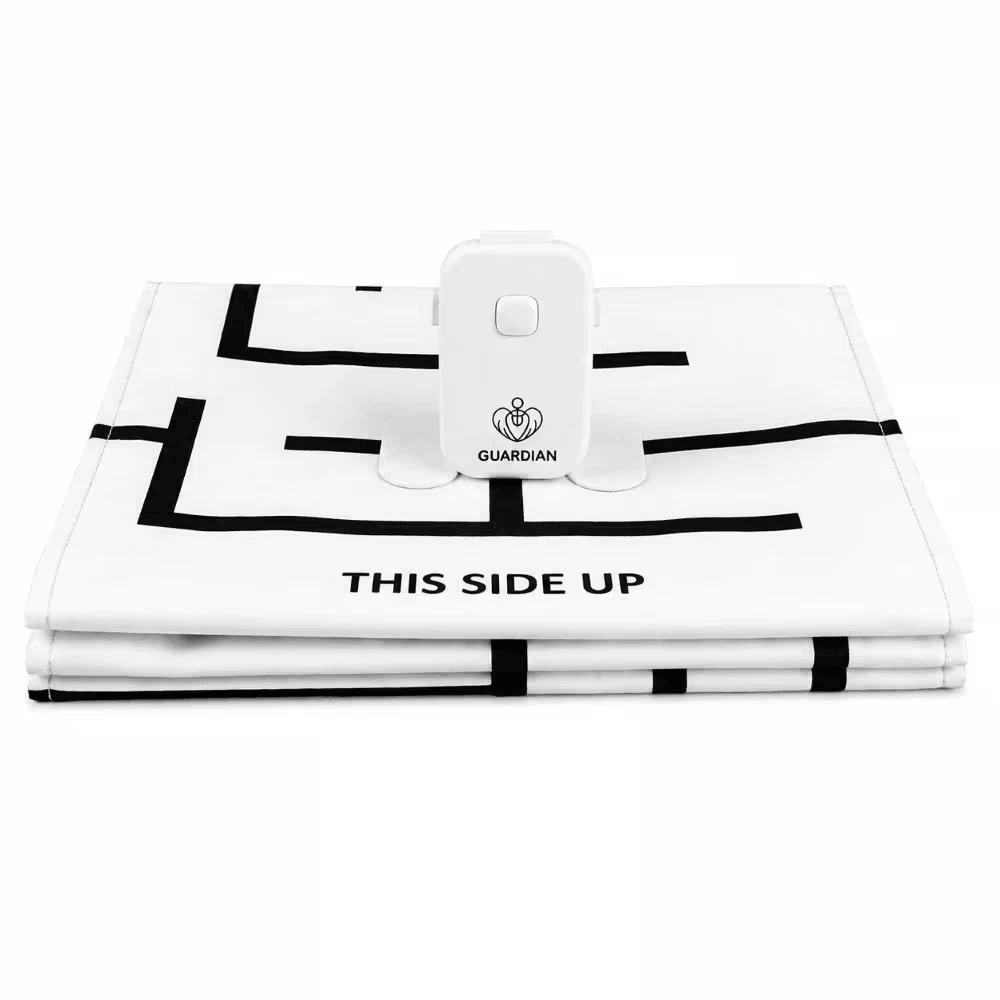
Guardian Bedside
A distinctive bedside alarm that uses thin disposable sensing mats instead of a sensor attached to clothing. It is the strongest option to consider when comfort, hygiene and a no-wear setup are the priorities.
Our verdict: Guardian is meaningfully different from a conventional clip-on alarm. The sensing mat rests beneath the sheet and connects to a bedside alarm unit, allowing the sleeper to move without wearing an electronic alarm on the body. This can be especially appealing for users who reject wearable sensors or find cables and clips distracting.
The disposable mat approach reduces washing and simplifies cleanup after a wetting event. The tradeoff is ongoing mat replacement, which families should include when comparing long-term cost. As with any bedside system, correct mat placement and sensitivity selection are important, particularly for sleepers who move extensively during the night.
- Nothing electronic worn on the body
- Thin disposable sensing mats
- Strong bedside sound and vibration alerts
- Simple hygienic cleanup
- Replacement mats create an ongoing cost
- Mat positioning must be maintained
- Bedside format is less compact for travel
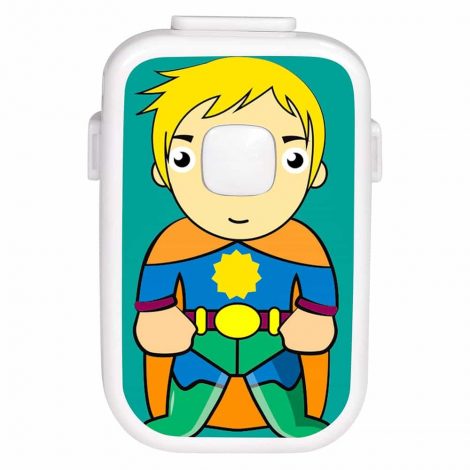
Smart Alarm
A straightforward wearable alarm built around the essential detection-and-alert process. It is worth considering when a family wants a simpler setup without paying for a long list of secondary features.
Our verdict: Smart Alarm focuses on the core job: detecting moisture and producing an immediate alert. That simplicity can be an advantage for families who prefer fewer settings and a faster nightly routine. A less complicated alarm is also easier to explain to a younger user who needs to take part in attaching, testing and resetting the system.
Its simpler design does not automatically make it the best choice for every deep sleeper. Wake-up performance depends on alert strength, placement, sleep depth and caregiver participation—not merely the number of features shown on a box. Families should compare its alert approach carefully with more elaborate multi-sensory systems.
- Simple nightly setup
- Focuses on essential alarm functions
- Less intimidating for first-time users
- Wearable and relatively portable
- Fewer advanced alert options
- May need caregiver support for deep sleepers
- Correct sensor attachment remains essential
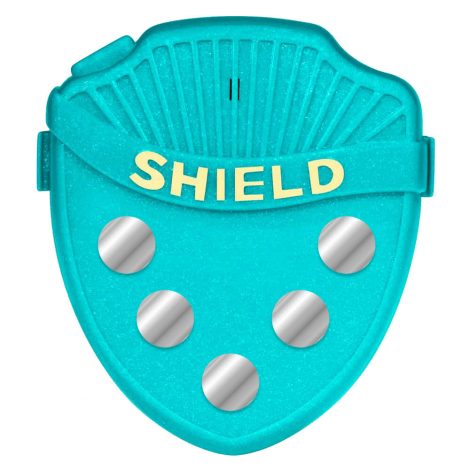
Shield Max
A wearable alarm built for families who want varied sound, vibration and light alerts without moving to a bedside system. Its secure sensor design and eight-tone sequence make it especially relevant when comparing options for a deep sleeper.
Our verdict: Shield Max combines eight alert tones with strong vibration and a bright light. Changing tones can help reduce the chance that a sleeper simply becomes accustomed to one repeated sound, although no alert pattern guarantees independent waking in the first nights of training.
The Strong Hold sensor has a larger moisture-detection area and is designed to remain attached to underwear during movement. It can be rinsed after an accident, but families still need to clean and dry it correctly before reuse. Its strong detection and wake-up performance earn a weighted editorial score of 9.1/10.
- Eight changing alert tones
- Sound, vibration and bright light
- Secure, washable Strong Hold sensor
- Compact wearable format
- Sensor and cord are worn overnight
- Uses two AAA batteries
- Deep sleepers may still need caregiver help
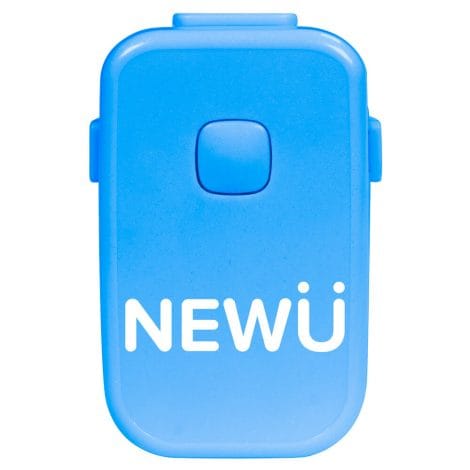
NewU
A compact wearable alarm with eight tones, vibration and light. NewU deserves consideration when value and a simple portable setup matter, while its optional armband offers another way to position the alarm unit.
Our initial assessment: NewU offers the same core multi-sensory ingredients many families look for—varied sound, vibration and a visible light—at a more value-oriented position. The Strong Hold sensor is designed to detect initial moisture and remain attached throughout normal nighttime movement.
The alarm can clip to sleepwear or sit in the available adjustable armband, which may feel more secure for users who dislike an alarm unit near the collar. That flexibility is useful, but actual comfort depends on arm size, sleeping position and tolerance for the sensor cord. We will publish its final score only after completing our full evaluation.
- Eight alert tones plus vibration and light
- Compact, portable alarm unit
- Secure Strong Hold moisture sensor
- Optional washable armband
- Still requires a wired clothing sensor
- Armband comfort varies by sleeper
- Final reliability and value scores are pending
Other approved alarms to compare
These products form the remainder of our review library. Each has now received the same structured evaluation as our leading choices.
Chummie Elite
A 9.0/10 streamlined Chummie wearable with five tones, vibration, light and the IntelliFlex one-drop sensor.
View Chummie Elite review →Shield Prime
An 8.9/10 value-focused wearable with a Strong Hold sensor, sound, vibration, light and simple reward tracking.
View Shield Prime review →Zest
An 8.7/10 budget wearable with eight tones, vibration, light and a first-drop Strong Hold sensor.
View Zest review →Bloom
An 8.5/10 straightforward wearable with moisture detection, sound, vibration and a simple nightly routine.
View Bloom review →Compare all nine approved alarms
Use this table to narrow the field. Scores are published only after an alarm has completed our full editorial review.
| Alarm | Format | Best reason to consider | Alert approach | Current score |
|---|---|---|---|---|
| Chummie Premium | Wearable | Complete multi-sensory package | Sound, vibration, lights | 9.3 / 10 |
| Guardian Bedside | Bedside mat | No-wear comfort and hygiene | Bedside sound and vibration | 9.0 / 10 |
| Smart Alarm | Wearable | Straightforward setup | Sound and vibration | 8.7 / 10 |
| Shield Max | Wearable | Feature-focused design | Multi-sensory | 9.1 / 10 |
| Chummie Elite | Wearable | Simpler Chummie option | Five alert tones | 9.0 / 10 |
| Shield Prime | Wearable | Alternative Shield configuration | Sound and vibration | 8.9 / 10 |
| NewU | Wearable | Additional wearable comparison | Eight tones and vibration | 8.8 / 10 |
| Zest | Wearable | Budget multi-sensory option | Eight tones and vibration | 8.7 / 10 |
| Bloom | Wearable | Straightforward newer option | Sound and vibration | 8.5 / 10 |
Scores reflect our current editorial assessment and may change when products, accessories or testing results change. Open the full comparison chart →
How to choose the right bedwetting alarm
The best alarm is not necessarily the loudest or the one with the most features. It is the system a sleeper and caregiver can use correctly every night.
1. Wearable or bedside?
Wearable alarms detect moisture close to the body and travel easily, but require a sensor and alarm to be attached each night. Bedside systems avoid body-worn electronics and may feel more comfortable, but mat placement and bed setup matter.
2. Moisture detection
Fast, dependable detection is the foundation of any alarm. Compare sensor placement, contact area, attachment and the likelihood of false alerts. A powerful alarm cannot compensate for a sensor that is positioned incorrectly.
3. Wake-up performance
Deep sleepers may require sound, vibration, light and caregiver support. No alarm can guarantee that a child will wake independently on the first night. The early goal is a consistent response routine, not merely maximum volume.
4. Comfort and wearability
Consider the alarm’s weight, sensor shape, cable routing and attachment method. Even a technically strong system may be abandoned if it disrupts sleep or feels uncomfortable to the user.
5. Cleaning and hygiene
Look at what must be washed, wiped, replaced or dried after an event. Bedside disposable mats simplify cleanup but have recurring costs. Wearable sensors are reusable but need proper cleaning and care.
6. Caregiver involvement
Many children—especially deep sleepers—need an adult to respond to the alarm initially. Choose a system that fits the family’s room arrangement and willingness to assist consistently during the training period.
7. Supplies and long-term cost
The purchase price is only part of value. Check batteries, replacement sensors, clips, mats and warranty coverage. A lower-priced alarm can become expensive if key parts need frequent replacement.
8. A routine the child can follow
The user should understand how to test, attach, reset and clean the alarm. Involving the child in this routine can make the process feel collaborative rather than punitive.
A score is more than a sound test.
We assess the factors that determine whether an alarm can be used successfully night after night. Every review follows the same weighted framework, and manufacturers cannot pay to change a score or ranking.
Read exactly how we testWhat an alarm can—and cannot—do
Bedwetting alarms are training tools. Progress depends on consistent use, a clear response routine and patience from both the sleeper and caregiver.
What helps
- Testing the alarm before bedtime
- Using it every night, not occasionally
- Helping a deep sleeper respond at first
- Resetting and returning to bed calmly
- Tracking progress without punishment or shame
What to remember
- Results are rarely immediate
- Loudness alone does not determine success
- Some users dislike wearable sensors
- Secondary bedwetting may require medical evaluation
- An alarm should never replace professional advice when symptoms are concerning
Bedwetting alarm FAQ
Clear answers to the questions families commonly ask before starting alarm training.
What is the best bedwetting alarm?
There is no universal winner for every sleeper. Chummie Premium currently leads our wearable assessment, while Guardian Bedside is our leading no-wear bedside option. Smart Alarm is a simpler wearable alternative. Sleep depth, comfort, cleaning preferences, caregiver involvement and budget should determine the final choice.
Do bedwetting alarms work for deep sleepers?
They can, but deep sleepers often need caregiver assistance in the early stages. Sound, vibration and light may improve the chance of a useful response, but consistency and a practiced wake-up routine are more important than volume alone.
How long does a bedwetting alarm take to work?
Timeframes vary. Some families notice early changes within weeks, while a durable dry-night pattern may take longer. The alarm should be used consistently according to its instructions, and progress should be reviewed with a healthcare professional if concerns arise.
Are wearable alarms uncomfortable?
Many users adapt quickly, but comfort depends on the alarm’s weight, clip, sensor and cable placement. A bedside mat system may be preferable for sleepers who strongly dislike wearing anything during sleep.
Should a parent wake up when the alarm sounds?
Often, yes—especially at the beginning or with a deep sleeper. The caregiver may need to help the child wake fully, use the bathroom, change clothing or bedding, reset the alarm and return to sleep.
Do you receive money from manufacturers?
No. Manufacturers do not pay for our reviews, scores or rankings. We also do not earn purchase commissions when readers buy an alarm.
How are alarms scored?
We use eight weighted categories: moisture detection, wake-up performance, comfort and wearability, ease of use, reliability and quality, cleaning and hygiene, features and technology, and value.
When should a family speak with a doctor?
Seek professional guidance when bedwetting begins suddenly after a dry period, is accompanied by pain, unusual thirst, daytime symptoms, constipation, snoring or other health concerns. This website provides general educational information and does not diagnose or treat medical conditions.
Compare before you choose
Start with the full comparison chart, then read the individual review for any alarm you are considering. The right system should fit the sleeper, the caregiver and the family’s nightly routine.
View the complete comparison